
A Timeless Retreat: The Origins of Belvedere
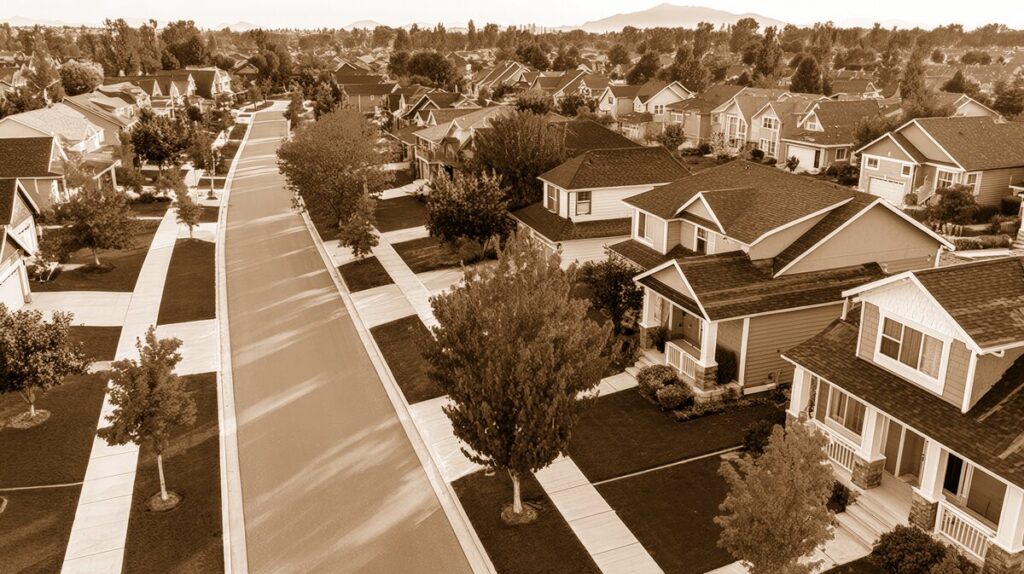
Nestled in the eastern reaches of Wellesley, the Belvedere neighborhood has quietly distinguished itself as one of the town’s most storied and picturesque communities. With its tree-lined avenues and stately homes, Belvedere possesses a charm rooted in more than a century of thoughtful development and genuine neighborhood pride. Most longtime residents would agree: Belvedere is not just a place to live but a place where history feels alive.
The name “Belvedere” is Italian for “beautiful view,” an apt designation for this neighborhood, originally planned to highlight the graceful contours of the land and the sweeping vistas that once stretched toward Boston. The vision behind Belvedere’s inception was one of beauty, community, and harmonious architecture — a vision still evident along each winding lane.
Early Days: Planned Perfection
Belvedere’s story begins at the turn of the 20th century, a time when suburban living was coming into vogue for the Boston area’s growing professional class. The land that became Belvedere had long been farmland, edged by forest and dotted with the occasional colonial homestead. In the early 1900s, a group of innovative developers saw an opportunity to create an idyllic residential enclave. Their goal was ambitious: to build a planned neighborhood defined by wide streets, generous lots, and an abundance of green space.
Belvedere Road, the neighborhood’s elegant, gently curving namesake, became the spine around which the community was constructed. Other streets such as Somerset Road, Mansfield Road, and Winthrop Road soon followed, each contributing to a tapestry of stately homes and well-tended gardens. The architecture of the period — from grand Colonials to graceful Tudors and shingle-style residences — reflected a desire for both beauty and permanence.
Defining Landmarks: Heart of the Community
Belvedere has always been defined by its landmarks, both natural and man-made. One cannot mention the neighborhood without referencing the iconic Belvedere Park, a cherished green space beloved by families and children for generations. Tucked along Belvedere Road, the park features open lawns, mature trees, and playground equipment that has evolved over the years but always echoes with the sound of laughter and community gatherings.
The Hunnewell Hill, crowned by stately mansions, offers one of the best vantage points in all of Wellesley for soaking in the views that inspired the neighborhood’s name. Not far away stands St. Paul’s Catholic Church on Washington Street, whose striking presence and historical legacy have made it a spiritual center for Belvedere residents since the early 1900s.
Another notable highlight is the stately homes lining Somerset Road. Several of these historic houses boast original carriage houses, expansive porches, and lovingly maintained gardens. It’s not uncommon for some of the oldest families in Wellesley to trace their lineage back to these addresses.
Milestones and Moments: A Neighborhood Through the Decades
Belvedere weathered the Great Depression and World War II as a place of relative stability. While other parts of Wellesley saw dramatic changes, Belvedere’s commitment to its original design and covenants preserved both its character and property values. After the war, the neighborhood’s leafy streets attracted returning veterans and young families, kickstarting a baby boom and infusing new energy into the area.
Throughout the 1960s and ‘70s, as Wellesley grew and modernized, Belvedere quietly maintained its identity. The Belvedere Neighborhood Association — one of the oldest community associations in town — became an important force in preserving the neighborhood’s special character, from advocating for responsible zoning to hosting annual gatherings at Belvedere Park.
The 1980s and ‘90s saw home restorations and tasteful renovations, as newer residents honored the craftsmanship of earlier eras while adapting interiors to modern needs. Historic preservation became a defining value, ensuring that the neighborhood’s unique architectural styles remained a point of pride.
Streets of Memory, Hubs of Activity
Walking through Belvedere today feels like stepping into an elegant chapter of Wellesley’s past. Belvedere Road remains the centerpiece, while Somerset Road, Mansfield Road, and Winthrop Road each tell their own stories. The intersection of Belvedere Road and Somerset Road is particularly known for its canopy of century-old trees that create a seasonal spectacle — ablaze with color in autumn, sparkling in winter, and lush throughout the summer.
Nearby, Memorial Grove — a lesser-known pocket park — offers a quiet oasis, with benches perfect for reading or reflecting on the history that surrounds you. The neighborhood’s proximity to Centennial Reservation, Wellesley’s 100-acre nature preserve, provides easy access to extensive walking trails, beloved by local dog walkers and nature enthusiasts.
Evolution of a Community
While the heart of Belvedere’s built environment has remained remarkably consistent, the spirit of its community has continued to evolve. The once exclusively upper-middle-class enclave has gradually grown more diverse and welcoming, while still cherishing its reputation for neighborliness and stewardship.
Today’s Belvedere is defined as much by its people as by its architecture. Neighbors greet each other on morning walks, children race down the same park slopes as generations before, and the annual Belvedere block party remains a highlight, bringing together new arrivals and old-timers alike. The sense of shared responsibility and historic continuity is woven into the daily life of the neighborhood.
Heritage Preserved, Future Embraced
As Wellesley continues to grow, Belvedere stands as a shining example of the town’s commitment to honoring its past while welcoming the future. Its historic homes, tree-lined streets, and cherished public spaces remind residents and visitors alike that neighborhoods can thrive when their heritage is valued.
In Belvedere, every corner echoes with stories, and every season brings scenes worthy of its name: beautiful views, steadfast values, and a special sense of belonging that endures over time. For those lucky enough to call it home, Belvedere’s legacy is more than history — it’s a living tradition.